

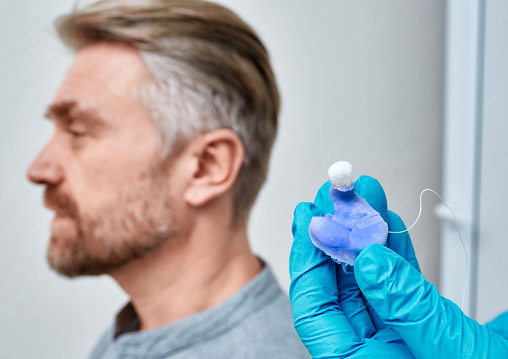
Ear impressions are a core audiology procedure requiring accuracy, preparation, and sound clinical judgement. Ongoing training is essential to ensure safe, consistent practice and reliable patient outcomes.
THE ROLE OF EAR IMPRESSIONS IN AUDIOLOGY
Ear impressions support a range of audiology services and require a clear understanding of anatomy, technique, and patient considerations. Clinicians must be able to assess suitability and adapt their approach to individual presentations.
A strong foundation in ear impression practice supports confidence and accuracy across everyday clinical scenarios.
DEVELOPING PRACTICAL TECHNIQUE
Effective ear impressions rely on refined technique developed through hands-on experience. Practical training helps clinicians understand correct preparation, material handling, and procedural steps.
Developing these skills through structured learning reduces errors and supports consistent, high-quality results.
BUILDING CLINICAL CONFIDENCE
Confidence in ear impression practice grows through repetition, understanding, and reflection. Training that explains both how procedures are performed and why specific steps are required supports clearer decision-making.
As confidence increases, clinicians are better prepared to manage challenges and respond appropriately to patient needs.
SUPPORTING PATIENT SAFETY AND COMFORT
Patient safety is central to ear impression practice. Accurate assessment, careful technique, and clear communication all contribute to a positive patient experience.
Ongoing development helps clinicians maintain high standards, reduce risk, and ensure patient comfort throughout procedures.
CHOOSING RELEVANT TRAINING
High-quality ear impression training is practical, evidence-based, and clinically focused. Learning that reflects real-world practice supports meaningful skill development.
Selecting training aligned with clinical responsibilities ensures continued competence and confidence.
A COMMITMENT TO CLINICAL EXCELLENCE
Maintaining high standards in ear impression practice requires ongoing learning and reflection. Continued professional development supports accuracy, confidence, and safe care.
By investing in skill development, clinicians strengthen their practice and support long-term professional growth.


